




Plants as a sustainable solution
The demand for wines from sustainable agriculture continues to grow. Consumer and producer expectations are high. Today, with conventional varieties that are susceptible to disease, producing a quality wine with reasonable yields requires numerous interventions and treatments. Beyond environmental considerations, the wine industry faces major challenges linked to climate change. Whether to reduce the number of treatments or to cope with significant climate disruptions, our research programs see plants as a sustainable solution.
The current stage of our R&D programs allows us to assert that plants are the best way to produce quality wines that are responsible and adapted to climate challenges.
We currently have two R&D programs related to plant improvement. While their goals are the same, the strategies to achieve them are quite distinct. Within the Nathy program, we create new varieties through natural crosses between vitis of recognized quality and resistant varieties. Within the Next program, we use advanced techniques to understand and enhance grape varieties already recognized for their qualitative potential.
Most of these R&D programs are conducted in collaboration with public and private organizations, both in France and abroad.
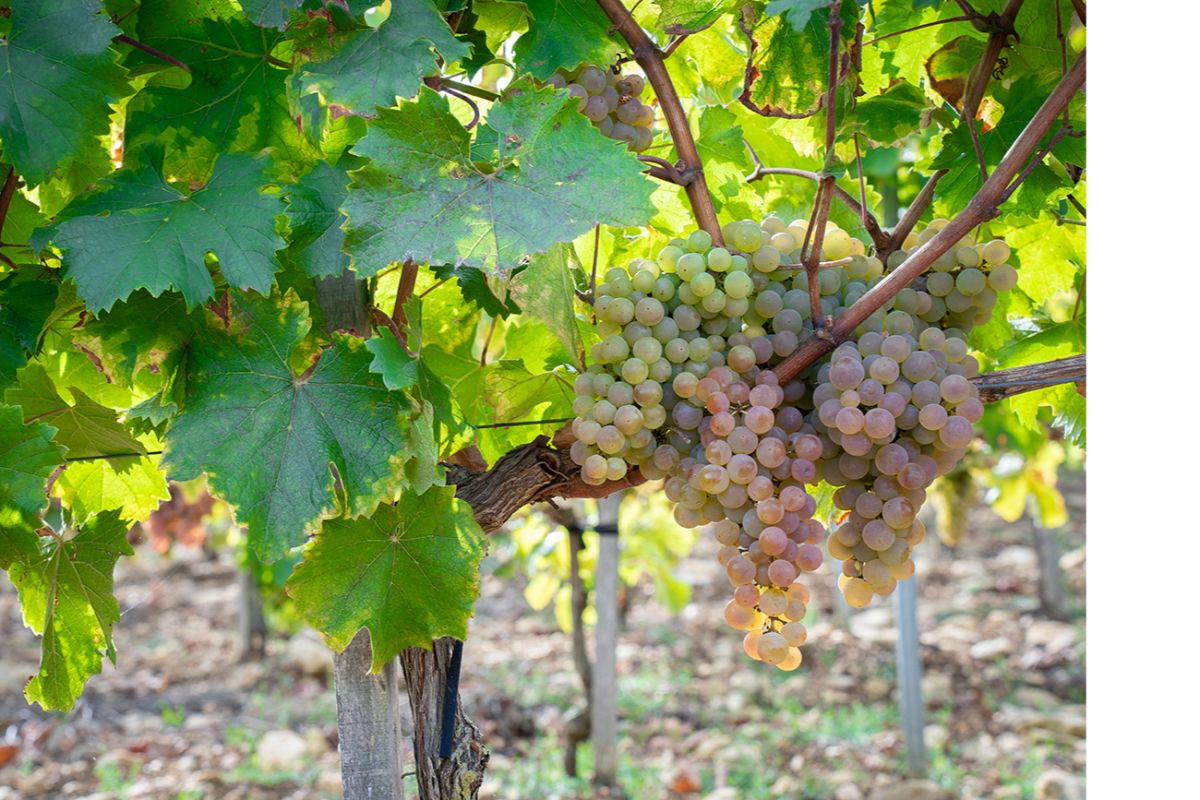
Nathy Program
Nathy is a program for selecting and creating naturally disease-resistant varieties obtained through natural crosses. It can be conducted by our teams alone or in collaboration with recognized hybridizers. We have full mastery of natural hybridization techniques, and our teams are capable of creating numerous varieties within a relatively short timeframe. Experience shows that in varietal creation through natural hybridization, not all new varieties are equally valuable.
The goal is to provide viticulture with varieties that respect the environment while securing wine production against sanitary pressures. It also addresses climate change by integrating criteria such as drought resistance or budburst timing to mitigate spring frost risks.
For this program, we aim to offer viticulture a reference plant. That is why our standards are among the strictest, and we are uncompromising on quality, safety, and stability. For a new grape variety from this program to receive Nathy approval, it must meet three essential criteria:
- a sufficient quality level for 100% winemaking,
- a superior level of resistance thanks to a robust genetic structure that limits the risk of bypass,
- agronomic quality and stability that winemakers can rely on.
Currently, only one variety from this program is available: Nathy-Sauvignac. Other varieties are under evaluation, with some showing particularly promising potential.
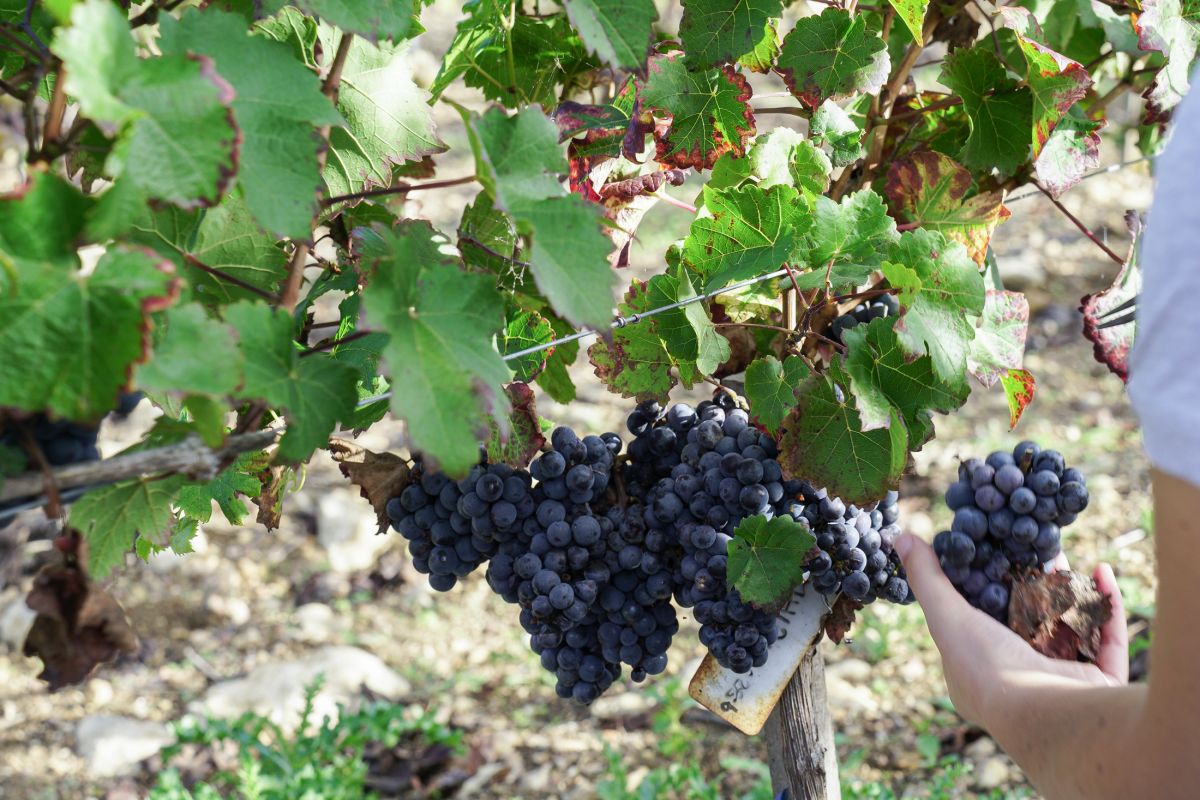
Next program
Global viticulture has been built around grape varieties now widely recognized: Chardonnay, Pinot Noir, Grenache… yet they remain disease-prone and sometimes ill-suited to climate change. The goal of the Next program is to study these varieties and explore adaptation possibilities in response to new expectations and climatic constraints.
The question our teams are trying to answer is straightforward: how can a quality-recognized variety be made durably disease-resistant and adapted to climate change? This program also addresses resistance to viruses such as leafroll and fanleaf in rootstocks.
For this ambitious R&D program, we collaborate with scientists worldwide and employ cutting-edge techniques. At the current stage of our work, we are confident that our objectives can be achieved. The potential offered by advances in the Next program is enormous. Once again, plants emerge as a sustainable solution to the environmental and ecological challenges facing the wine industry.
Some of the biotechnologies under study in the Next program are currently the subject of legitimate debate in certain countries. Before use and deployment, they must be understood, accepted, and comply with the regulations in force in the relevant countries.