




Looking for precision plant material?
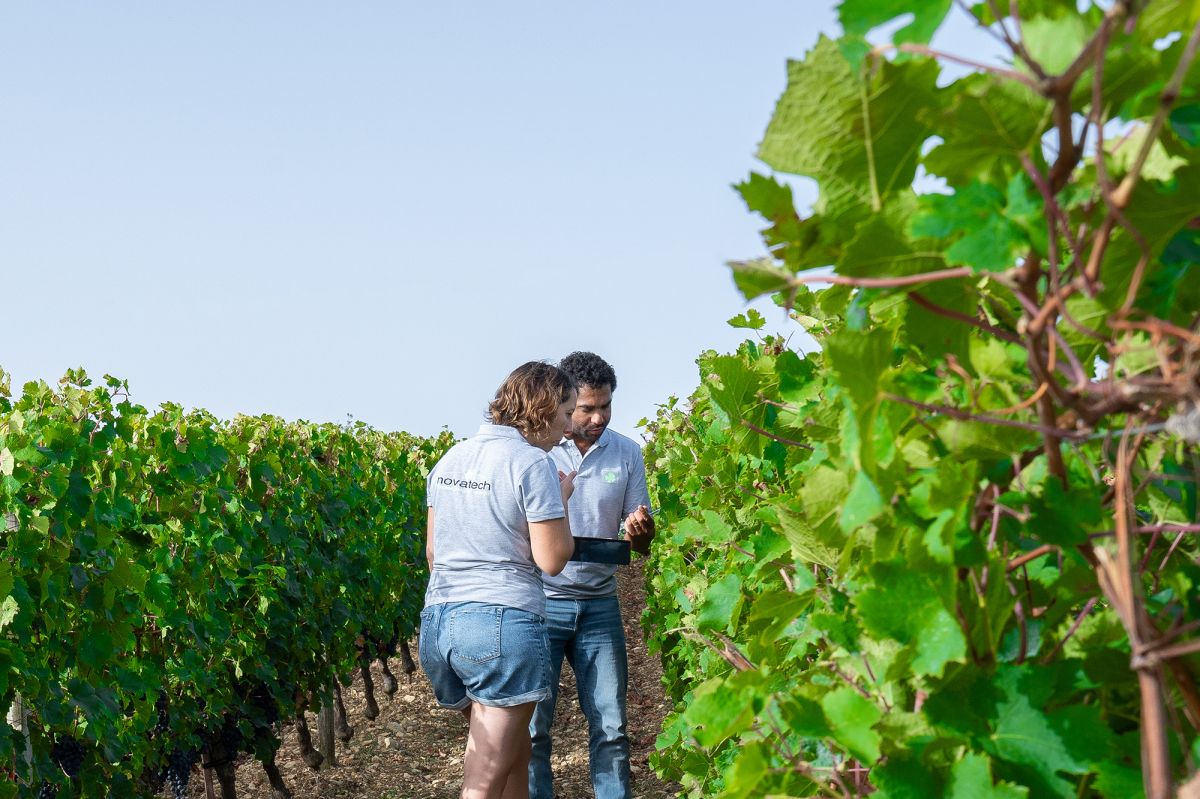
Clonal selection consists of evaluating the characteristics of strains chosen for their specific traits. Its goal is to enable winemakers to produce quality wines while using healthy plants (free from serious viruses). Clones derived from these selections provide viticulture with plant material whose agronomic and enological characteristics are perfectly controlled. The work carried out by ENTAV INRA in this field has greatly contributed to the improvement of plant material. The ENTAV INRA clone catalog is the most comprehensive in the world. Today, Mercier-Novatech is the only private institution performing clonal selection. The skills and processes are the same as those followed by ENTAV-INRA.
Our clonal selection work focuses on certain varieties for which the available clones do not fully meet the expectations of the most demanding winemakers. Mercier-Novatech clones are complementary to ENTAV INRA clones.
benefits for VITICULTURE
Clonal selection is largely responsible for improving the average quality of wines. It has also helped reduce sanitary pressure in vineyards. This is a long and rigorous process that involves selecting strains free from serious viruses and whose behavior best meets the needs of winemakers.
Clonal selection is increasingly criticized, often for its perceived lack of heterogeneity. Yet its purpose is to represent the genetic diversity of grape varieties by characterizing and utilizing existing variability. For some varieties, the number of available clones allows this genetic heterogeneity to be expressed, while for others, the number of available clones is insufficient.

PROCESS and skills involved
Clonal selection is a long and rigorous process that involves selecting and characterizing a strain that perfectly meets the objective.
Prospection: to start, a specification sheet is established, precisely defining the objectives. Based on this sheet, our agronomist engineers survey the oldest vineyards to identify candidate strains. To ensure the broadest possible genetic diversity, prospection is conducted over a wide area.
Sanitary analysis: sanitary quality is a fundamental requirement in clonal selection. Our analysis department performs screening tests for the main viruses using ELISA or PCR methods on all candidate strains. Only virus-free strains continue in the selection program.
Agronomic evaluation: healthy candidate strains are multiplied and planted on several evaluation plots that include one or more reference clones as controls. A comparative agronomic evaluation is carried out over several years to identify and characterize the strains that meet the objectives.
Oenological evaluation: following the agronomic evaluation, the selected strains undergo micro-winemaking for 2 consecutive years. A panel of professionals evaluates the oenological potential of each clone.
Result: after analyzing the collected data and if the objectives are met, approval for the selected clones is requested. At the end of this process, an official approval number is assigned by FranceAgriMer. A minimum of 12 years of study and evaluation is required to register a clone.
Available clonal selecélections clonales disponibles
Mercier Novatech clones complement the French ENTAV-INRA catalog, which is recognized worldwide.
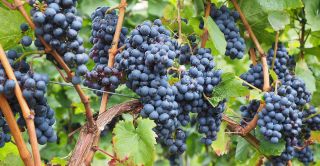
Cabernet Franc clone 1311
TECHNICAL SHEET
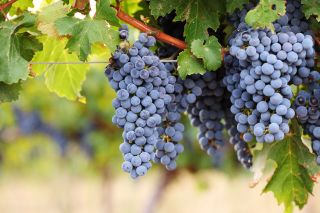
Carmenère clone 1235
TECHNICAL SHEET
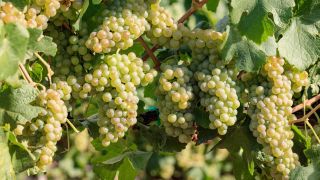
Chenin clone 1286
TECHNICAL SHEET
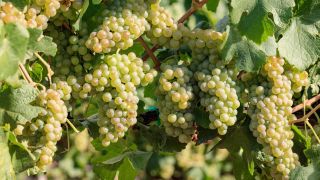
Chenin clone 1348
TECHNICAL SHEET
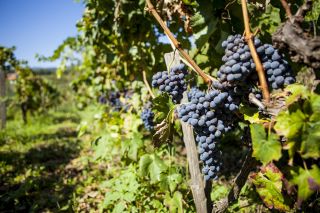
Cot clone 1288
TECHNICAL SHEET
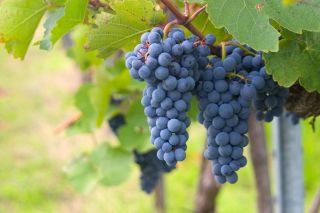
Cot clone 1289
TECHNICAL SHEET
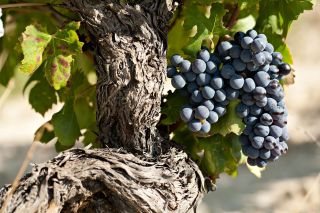
Grenache clone 1270
TECHNICAL SHEET
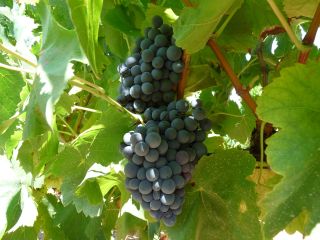
Grenache clone 1271
TECHNICAL SHEET
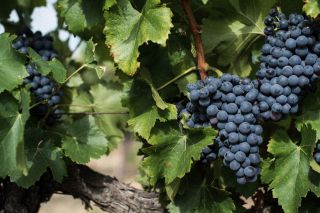
Grenache clone 1272
TECHNICAL SHEET
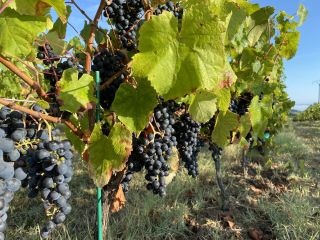
Petit Verdot clone 1273
TECHNICAL SHEET
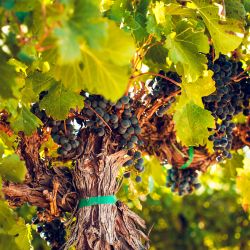
Petit Verdot clone 1274
TECHNICAL SHEET