




Natural solutions
to strengthen vine defenses
Since the 1990s, we recognized that synthetic chemical molecules could not provide a sustainable solution for people and the environment against certain issues, such as wood diseases. We therefore launched our first research programs focused exclusively on natural biotechnologies. The knowledge gained allowed us to test several natural biotechnologies and evaluate their effectiveness. All these programs, conducted in partnership with public and private organizations, have provided concrete solutions for winemakers and led to a new generation of healthier, safer vine plants. These results encourage us to continue programs exploring other natural microorganisms to address new challenges.
the CleanPROCESS
Our initial work on wood diseases focused on understanding the disease during the propagation stage. Over seven years, we conducted more than 1,000 analyses and diagnostics on pathogenic fungi present on plants and in the production environment. Very quickly, the question arose of how to reduce (or even eliminate) the pressure of these pathogens. Dozens of solutions were tested before we proved the effectiveness of neutral anolyte. This product was already used in livestock and agriculture, but we were the first to demonstrate its effectiveness against the fungi responsible for ESCA.
In 2010, in collaboration with the production teams at Pépinières Mercier, we revised all production procedures, giving rise to the CleanPROCESS®. It is a patented production process that ensures the highest level of sanitary safety through specific application procedures and the use of neutral anolyte. The CleanPROCESS® remains the production standard for the Altis range of Pépinières Mercier today.
NEUTRAL ANOLYTE, HOW DOES IT WORK?
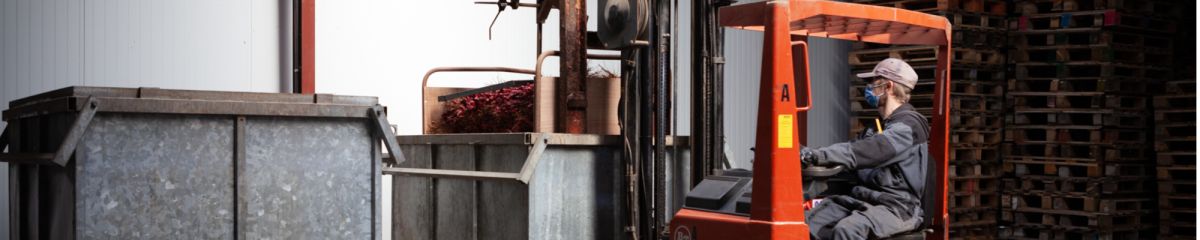
Anolyte is a natural disinfectant and sterilizing product, highly effective against bacteria, algae, and fungi. It is produced from water and salt using a membrane electrolysis technique and can be used pure, diluted in water, or sprayed into the air.
An electric current pass through the salt-saturated solution between two metal elements called the anode and the cathode. The brine then dissociates into two products: acidic anolyte (pH 2–5) and catholyte (pH 11–13). Mixing these two solutions produces neutral anolyte. It is water with a neutral pH but an oxidation-reduction potential above 750 mV (chlorinated water is 400 mV). Neutral anolyte acts on fungi and bacteria by contact without affecting the physiology of the plant material.
WHAT IS CLEANPROCESS®?
CleanPROCESS® is an expertise applied to vine plant propagation that eliminates pathogenic fungi present on the plants and in the production environment. It begins with the removal of affected plants through self-supply combined with sanitary control of the plant material. During the production process, all contaminated or potentially contaminating inputs (such as wood shavings and wooden crates) are excluded. Infrastructures and storage facilities have been upgraded with cold rooms equipped with ionizers. Finally, neutral anolyte is used to disinfect and sterilize plant material, tools, and facilities.
CleanPROCESS® is protected by the international patent WO2013/011053.
TRICHODERMA strain i-1237
As part of our research to reduce the risk of early contamination and strengthen the natural defenses of plants against fungi associated with wood diseases, we tested dozens of natural microorganisms. Very quickly, we focused on trichoderma. In partnership with the R&D teams at Agrauxine, we selected a particular species: Trichoderma atroviride strain I-1237. While Agrauxine demonstrated the effectiveness of this strain against fungi linked to wood diseases, our teams developed a process to inoculate this trichoderma into plants during production.
All this work has led to scientific publications, an official approval (AMM n°2080004 for the product Esquive® WP Trichoderma atroviride I-1237), and international patent filings WO 2013/011053 A1. Trichoderma remains today the only approved solution for combating wood diseases. Tri-Wall®, from Agrauxine, is the first biofungicide approved for this use (AMM n°2210388) and complies with organic farming standards.
This biotechnology is routinely used by Pépinières Mercier in their Altis vine plant range.

WHAT IS A TRICHODERMA FUNGUS?
The genus Trichoderma includes a group of fungi naturally present in soil, dead wood, plant debris, and aerial plant organs. Many species are used as biocontrol products, either as fungicides or as biostimulants. Several strains have been selected for various uses across different agricultural sectors. In viticulture, the I-1237 strain was the first to be officially approved as a control method against fungi associated with wood diseases.
TRICHODERMA STRAIN I-1237: WHAT IS ITS MODE OF ACTION?
Trichoderma strain I-1237 can attack pathogens through multiple modes of action: antibiosis, which inhibits pathogen growth by acting like an antibiotic; competition, which occupies space before unwanted organisms arrive; and parasitism, which directly destroys the pathogen.
Trichoderma strain I-1237 provides inoculated plants with increased resistance because it occupies space and offers natural protection against pathogenic fungi, thereby reducing the risk of early infection.
mycorrhizae
Our history with mycorrhizae began in the 1980s. Thanks to numerous studies on the relationship between mycorrhizae and grapevine, two members of our R&D team are now recognized as world-leading experts on this topic.
We have demonstrated that, under certain conditions, mycorrhizae can strengthen the root system, improve establishment, and enhance plant resistance to environmental stresses. The mere presence of mycorrhizae does not guarantee these benefits; only symbiosis (confirmed exchanges between the plant and the mycorrhizal fungus) ensures them. To achieve this, we developed a production process based on potting substrate and specific greenhouse conditions, thus excluding traditional bare-root plants. Only potted plants allow the formation of fine roots capable of hosting mycorrhizae and achieving the desired level of symbiosis. Furthermore, the pot enables the transfer of the full beneficial microbial community to the vineyard, delivering long-term benefits.
All these works on mycorrhizae have allowed our teams to acquire unique expertise in diagnosing the level of mycorrhization. We have developed evaluation tools that are made available to winemakers curious about the mycorrhization of their vineyard, and to nurseries producing mycorrhized potted plants.
This biotechnology is routinely used in the Altis range of potted plants from Pépinières Mercier.
WHAT ARE MYCORRHIZAE?
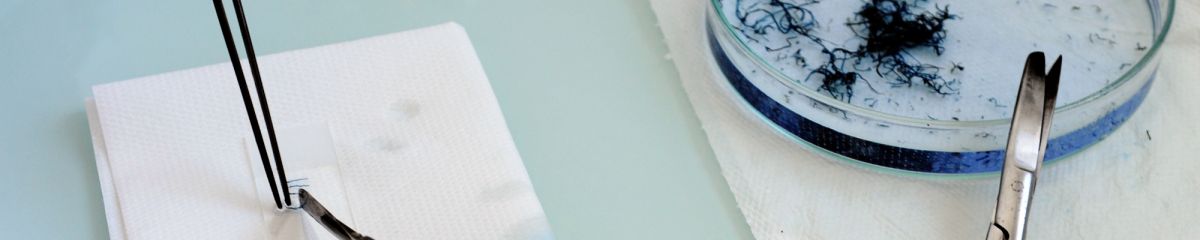
Mycorrhizae are naturally occurring fungi that are an integral part of the soil’s microbial life. Their presence varies depending on cultivation methods and conditions. Agricultural practices over recent decades (heavy use of fertilizers and pesticides, soil compaction, etc.) have led to a decline, and even absence, of mycorrhizal fungi. Reintroducing these fungi allows for enhanced plant growth through biological means, as mycorrhizae provide numerous benefits to the plants they associate with.
HOW DO MYCORRHIZAE WORK?
Mycorrhizae enhance the plant’s nutrient assimilation capacity. They develop in symbiosis with the host plant at the root level, giving the plant a more efficient root system and boosting its natural defenses. Practically, the plant gains better access to soil nutrients, such as phosphorus, and improved resistance to environmental stresses (drought, salinity, pathogen attacks, etc.) naturally. Mycorrhizae formation is also known to stabilize and increase CO₂ sequestration in the soil.
PYTHIUM OLIGANDRUM
Other R&D programs are underway on natural microorganisms to strengthen plants’ natural defenses, such as Pythium oligandrum. This is a fungal oomycete of the Pythiaceae family that parasitizes many fungi and other oomycetes associated with wood diseases, particularly in the genera Botrytis, Fusarium, and Phytophthora.
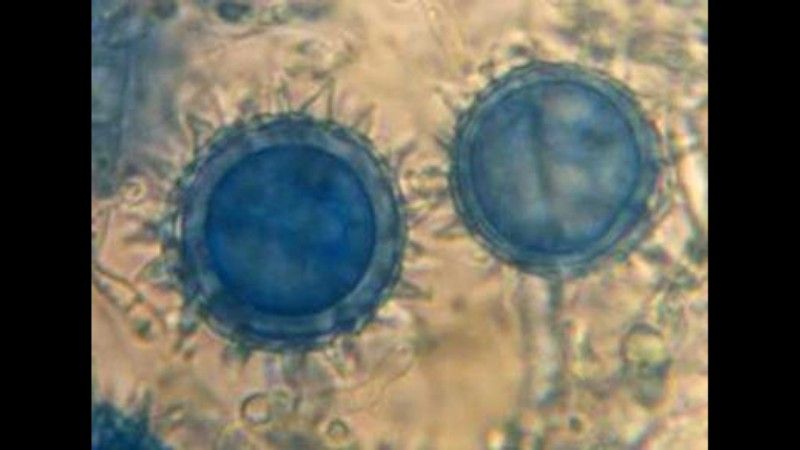
We are developing, in partnership with INRAE Bordeaux, Greencell, and other European partners, a new approach to protecting against wood diseases using this microorganism. This work relies on specific strains, isolated in vineyards by INRA, capable of producing a protein called oligandrin, which enhances plant defenses. When applied to vine roots, greenhouse trials have shown a significant reduction (40–50 %) in damage caused by the pathogen Phaeomoniella chlamydospora.
Studies have also shown that Pythium oligandrum activates vine defense genes, particularly those involved in the synthesis of compounds such as ethylene and jasmonates. Its presence induces an indirect stress in the plant, boosting its resistance to pathogens.
This solution is still under study in our laboratory and in nursery trials to assess its ability to provide effective protection against Phaeomoniella chlamydospora by colonizing the roots of grafted vine plants. This approach offers new prospects for sustainable vineyard protection, reducing reliance on chemical products, but it is not yet deployed in vine plant multiplication.